
A cleaning walkthrough is your chance to turn a general request into a plan that fits the building. You do not need a polished presentation or perfect measurements. You need a useful picture of how people use the space, where cleaning falls short, and what a successful service would look like. A little preparation helps both sides ask better questions. It also makes the proposal easier to understand later, because the rooms, responsibilities, and practical limits have already been discussed together.
Start with the decisions the visit needs to support
Before collecting floor plans, write down why you are arranging the walkthrough. Perhaps your office has grown, your current arrangement leaves too much work for employees, or a new lease puts more shared space under your responsibility. Describe the operational problem in ordinary language. Saying that the kitchen needs attention before the afternoon shift arrives is more useful than saying that you want a higher standard of excellence.
Then identify the decisions you expect to make after the visit. You might need to choose between two service schedules, define responsibility for restroom supplies, or establish a starting scope for an unfamiliar building. Give each decision an owner. If someone else approves spending or controls building access, find out what information that person needs before a proposal can move forward.
Set priorities without pretending every issue has equal weight. Three clear outcomes will usually guide the conversation better than a long list of unrelated complaints. Keep the list available during the tour and return to it at the end. This gives you a simple way to check whether the discussion answered your actual questions.
- Name the main reason you are considering cleaning support.
- Choose the outcomes that matter most during a normal working week.
- Identify who reviews the scope, schedule, and spending decision.
Bring a usable map of the space
A current floor plan helps, but a simple room list can do the same job. Include offices, meeting rooms, reception, kitchens, restrooms, corridors, storage areas, and any shared spaces you expect the provider to consider. Mark rooms that belong to another tenant or fall under the landlord's service. An attractive drawing is less valuable than a clear boundary around the areas you actually control.
If you know the approximate floor area, bring it and explain where the number came from. A lease figure may include areas that are not part of your cleaning request. Avoid presenting an uncertain measurement as exact. Let the walkthrough establish whether measurements need checking and whether the proposal will use total area, cleanable area, room types, or a combination of those details.
Note the features that make access or movement unusual. A split level, a detached training room, or a restroom reached through a locked office can affect the work sequence. In a hypothetical office occupying two connected suites, the second entrance might remain locked after five. Identifying that detail early lets the provider plan a workable route instead of assuming that every room stays equally accessible throughout the evening.
Show how occupancy changes through the week
The building's rhythm matters as much as its layout. Prepare a rough picture of when employees, visitors, deliveries, and events use each area. You do not need to track individual people. A general description of busy days, opening hours, lunch activity, and evening use gives the provider context that an empty building cannot communicate during a short tour.
Explain the difference between an average day and an unusually demanding one. A hypothetical business might have a quiet office on Mondays and a full training room every Wednesday. That pattern could justify different attention for meeting spaces without changing the schedule for every private office. Make clear whether such events are regular, seasonal, or arranged with little notice, because each pattern calls for a different planning conversation.
Include times when cleaning would interrupt essential work. Calls, client meetings, recording sessions, or concentrated desk work may create practical limits around noise and access. Ask whether the provider sees useful service windows within those limits. Be prepared to discuss more than one option, but avoid promising a late evening window until the person responsible for security has confirmed that the building can support it.
Describe concerns through observable examples
Walk through the building before the appointment and record a few specific concerns. Useful notes identify a location, a condition, and when it tends to appear. For example, you might describe visible debris near the delivery entrance after busy afternoons or bins that reach capacity before the scheduled collection. Those details support a practical discussion about timing and scope without requiring you to diagnose the cause.
Separate recurring conditions from isolated incidents. One spill does not necessarily indicate a schedule problem, while the same overflowing container every Thursday deserves closer attention. If photos would help, capture the relevant surface or area without including confidential documents, screens, or identifiable people. Date the notes so the provider understands whether they represent recent conditions or an older issue that may already have changed.
Do not feel obliged to make the building unusually tidy for the visit. An ordinary working condition often provides better information. Equally, do not stage a mess to demonstrate a point. The aim is to explain the space honestly. During the walkthrough, ask what additional information would help distinguish a cleaning task from a maintenance concern, storage problem, or occupancy issue that requires another kind of response.
Identify surfaces and belongings that need discussion
Make a short list of flooring, furniture, and fixtures with care requirements you already know. This could include a particular countertop finish, newly installed flooring, delicate partitions, or upholstered seating. Gather available manufacturer instructions or existing care notes. You do not need to prescribe products yourself. The useful step is to flag the surface and make reliable guidance available before a method is agreed.
Discuss desk boundaries clearly. Cleaning an accessible desktop is different from moving papers, handling personal belongings, or touching equipment. Decide which areas employees will clear, which items should remain untouched, and how a missed surface will be recorded when access is blocked. This is especially useful in offices where confidential paperwork or ongoing projects may remain out overnight.
Point out equipment rooms, archives, display items, or other areas where routine cleaning may need a separate conversation. Ask the provider to state any limitations in the proposal rather than letting a brief verbal comment disappear after the visit. Where a surface needs special care, the eventual scope should reflect product and surface guidance and identify who will resolve unanswered questions before that task begins.
Walk through the practical access arrangements
Cleaning plans depend on ordinary logistics that are easy to overlook during a tour. Show the normal service entrance, parking or unloading arrangements, elevator access, and the location of usable water and approved waste disposal points. Explain any building rules that affect these routes. A convenient front entrance during office hours may not be available once reception closes, so discuss the actual conditions under the proposed schedule.
Identify who can authorize access and who handles changes. Talk about the process for issuing and returning keys or credentials without sharing sensitive access codes during a general walkthrough. Ask how arrivals, departures, lockup questions, and unexpected access failures would be handled. A clear contact process helps prevent a routine obstacle from turning into a missed visit or a string of late evening calls.
Discuss storage only if you can actually offer it. A cupboard may look available but belong to another department or contain materials that cannot be relocated. Confirm what space is approved, whether it can be secured, and what the building permits there. Ask the provider what arrangements are necessary for the proposed service, then record anything that still needs approval from your facilities contact or property manager.
Sort out shared responsibilities before comparing schedules
Many service gaps start with a task that everyone assumes someone else handles. Restroom supplies, kitchen dishes, cardboard, exterior litter, and shared lobby areas deserve explicit discussion. Describe the current arrangement without assuming it must stay that way. The walkthrough is a useful moment to identify work your employees are doing informally and decide whether it belongs in the cleaning request.
Break broad responsibilities into their separate steps. Restocking paper products, purchasing those products, storing them, and reporting low stock are different activities. Waste removal also needs an agreed stopping point. Taking a bag from a desk bin to an internal collection area is not the same responsibility as arranging removal from the property. The proposal should make those boundaries understandable to someone who did not attend the tour.
For a hypothetical business in a shared building, the landlord might maintain the main lobby while the tenant handles its own reception. A visitor could reasonably see both as one continuous area, but the service responsibilities differ. Mark that boundary during the visit and identify the right contact for issues outside your scope. This saves your future service review from becoming a debate about work that was never included.
Ask questions that turn the tour into a clear scope
As you move between rooms, ask how the provider would describe the work in a written proposal. Look for a connection between the area's use, the tasks proposed, and the timing. A list that says only general office cleaning leaves too much interpretation. You should be able to tell which activities happen at each visit, which happen periodically, and which require an additional request.
Ask how the provider would handle a task that cannot be completed because a room is occupied or a surface is blocked. The answer should help you understand the communication process, not just the intended cleaning method. Also ask what building information remains uncertain. An honest list of open questions can be more useful than an immediate answer based on assumptions.
Use a few consistent questions so you can review the written proposal against the conversation. You do not need to turn the visit into an interrogation. The goal is a shared description of the service that both your team and the provider can use when an ordinary week becomes unusually busy.
- Which tasks are included at every visit, and which follow a separate schedule?
- What conditions could prevent an agreed task from being completed?
- Which supplies, equipment, and disposal arrangements does the scope assume?
- How will extra work be described and approved before it happens?
Close the visit with a short recap
Reserve a few minutes at the end to review what was learned. Confirm the areas under consideration, the possible service windows, and the priorities you named at the beginning. Check that any unusual requirements have been captured accurately. This is also the time to distinguish a suggestion discussed during the tour from a commitment that will actually appear in the proposed scope.
Create a short list of followup items with an owner for each one. You might need to confirm an elevator schedule, provide surface care information, or get permission to use a storage area. The provider may need to review measurements or clarify whether a requested activity is available. Agree on the next step without treating an estimated response time or proposed start date as a confirmed arrangement.
Ask for the proposal in a format your decision makers can review. If you need separate options for different schedules, say so before the provider prepares it. Those options should identify the tasks or coverage that change, not just show different totals. A useful recap leaves everyone knowing what information is settled, what remains open, and what the proposal is intended to help you decide.
Use the walkthrough record when the proposal arrives
Keep your room list, priorities, and recap together so you can check the proposal against them. Look for missing areas, undefined periodic work, and access assumptions that do not match the building. If the proposal uses unfamiliar terms, ask for a plain explanation tied to a task or location. You should not have to infer what the service includes from a broad promise about quality.
Share the relevant details with the people who will support the arrangement. Reception may need to know the service window, employees may need to clear desks, and the building contact may need to approve access. Give each person the information connected to their responsibility. That is more effective than forwarding a long proposal and hoping everyone discovers the part that affects them.
When you are ready to discuss your building with Fresh & Clean Facility Solutions, include your location, general facility type, and preferred times for a walkthrough. Requests are considered across Texas, Indiana, and Chicago, with local availability confirmed by the team. The website opens an email request for review. A submitted request starts the conversation; the walkthrough time and service arrangements still need to be agreed together.
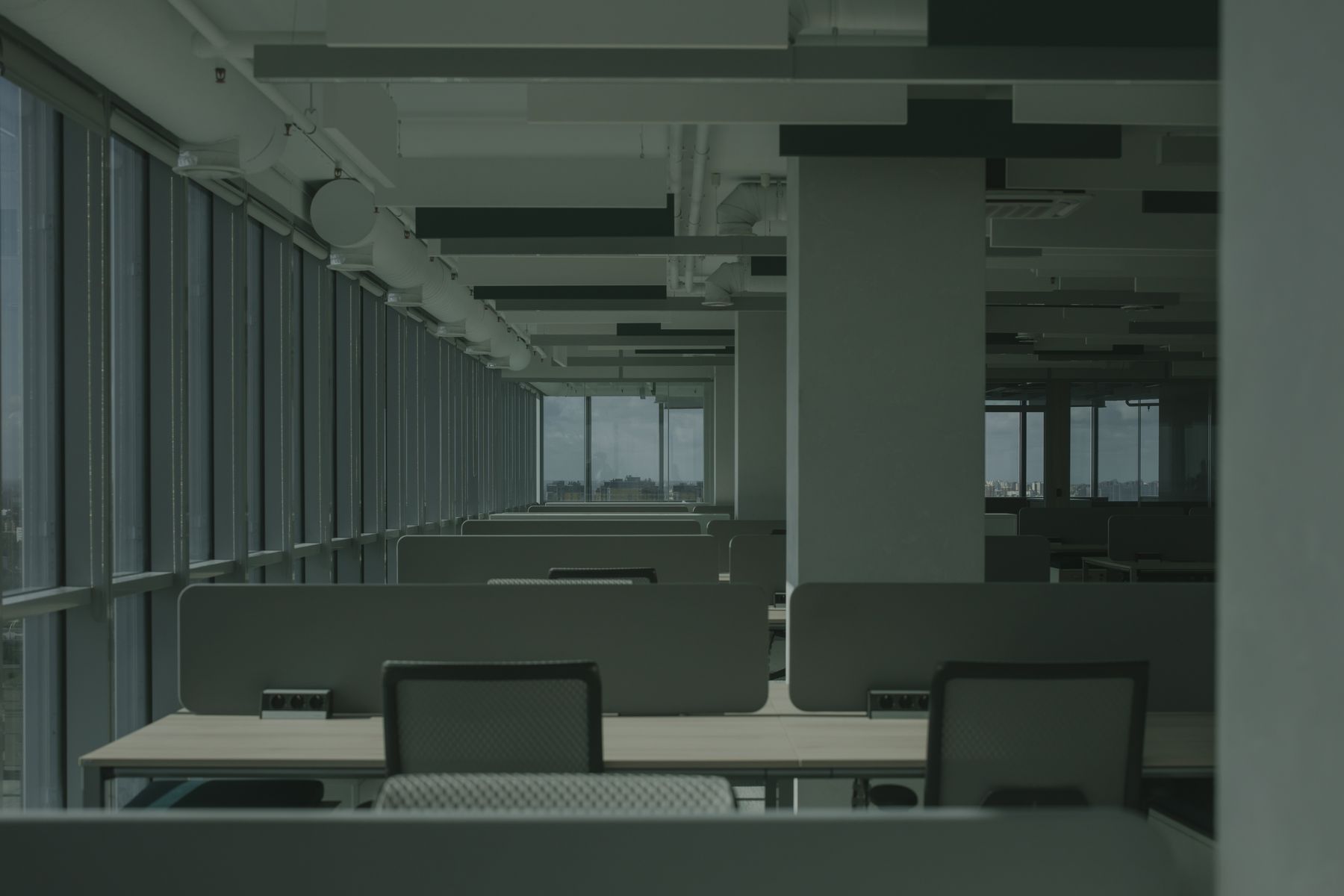
Photo: cottonbro studio / Pexels. Stock photography, not a Fresh & Clean customer project.
The takeaway
A useful walkthrough connects your building's daily routine with a clear written scope. Bring a room list, a few observable concerns, and the people or information needed to answer practical questions. Leave with shared priorities, named followup items, and enough detail to evaluate the proposal with confidence.
Published by Fresh & Clean Editorial with AI writing assistance. This guide covers general facility planning, not a site inspection or a service commitment. Reading time is estimated at 200 words per minute. Specific services, access requirements and local availability are confirmed with our team.