
You should be able to tell whether cleaning support is working without following someone from room to room. A useful quality walkthrough looks at agreed results, considers when the work happened, and gives the provider enough information to address a problem. It also helps you recognize when the issue is really missing supplies, blocked access, or a task that was never included. With a short review route and clear expectations, checking quality can become a calm management routine that protects your time and gives everyone a fair basis for discussing improvements.
Begin with the agreement, not a surprise test
Before inspecting, read the current scope and the service schedule. Identify which tasks happen every visit, which belong to periodic detail work, and which are excluded or separately requested. You cannot fairly evaluate a monthly task as if it were due every evening. If the scope uses broad phrases such as clean offices or maintain restrooms, ask for enough detail to understand what a completed visit should leave behind. This discussion is useful before service starts and whenever responsibilities change.
Agree on a few observable results that matter to the business. Examples include ordinary loose debris removed from accessible agreed floor areas, designated waste containers emptied, and included dispensers replenished when compatible stock is available. Avoid vague standards such as everything must be perfect. They invite disagreement without explaining the work. Share the review approach with the provider so there is a common reference point. A quality check should help both parties understand performance, not rely on hidden expectations introduced afterward. Keep employee responsibilities visible too. If desks must be cleared for cleaning, the manager needs to address clutter before treating an untouched desk as a service failure. Starting with the agreement makes the later conversation more specific and much easier to resolve.
Choose a time that makes the evidence useful
The time between cleaning and inspection affects what you can conclude. A restroom checked immediately after service provides different information from one checked after a busy afternoon. Whenever practical, review conditions soon after the agreed work and before heavy use. Record when you looked and when the service was scheduled. If you do not know whether the visit has happened, confirm that before drawing a conclusion from the condition of the space.
When an early review is impractical, acknowledge the intervening activity. A late day walkthrough can still identify a service need, but it may tell you more about daytime demand than overnight execution. In a hypothetical office, crumbs in a breakroom at four in the afternoon might follow several meals since the previous evening's cleaning. That observation could support an additional daytime responsibility without proving the scheduled visit was incomplete. Likewise, rain tracked through an entrance after opening changes the condition quickly. Keep timing in the record so the provider can distinguish a missed task from new use. Use roughly comparable review windows over time, and note exceptions such as events, deliveries, or unusual attendance. Consistent timing makes trends more meaningful without requiring constant observation.
Build a short route with a rotating detail check
Choose a manageable route through areas that represent the service: an entrance, a restroom, a breakroom, a typical work area, and any space central to your operation. Review the same core points often enough to notice patterns. Add a rotating area or detail so less visible spaces are not forgotten. This keeps the check focused while allowing periodic attention to meeting rooms, secondary corridors, or other areas that receive fewer complaints.
The route should reflect the building, not an arbitrary number of rooms. A small office may need only a brief review, while a larger facility may divide checks across zones. Make clear which areas were actually inspected so a positive result is not mistaken for proof that every room was checked. Similarly, one missed edge should not automatically be described as a failure throughout the building.
- Select core areas tied to frequent use and agreed priorities.
- Add one rotating area or periodic task due for review.
- Note areas unavailable because of occupancy or access restrictions.
- Record the review time and relevant activity since service.
- Stop once you have enough information to confirm results or raise a specific concern.
Observe the condition without prescribing every movement
Look for the agreed result at ordinary viewing distance and under the lighting normally used in the space. Check accessible floor areas, included surfaces, waste containers, and supplies within the scope. Be specific about what you see. Loose debris beneath an accessible table, residue on an included counter, or an unemptied designated bin can be discussed directly. A statement that a room feels wrong is much harder for another person to interpret or correct.
Do not use fragrance as a substitute for an observable result, and do not treat a visual walkthrough as proof of microbiological safety. Its purpose here is to assess ordinary cleaning conditions and service completion. Some surfaces naturally look different because of finish, age, or lighting, and existing wear may remain after appropriate cleaning. Ask for clarification where that distinction is unclear. Let the provider manage the work sequence and appropriate methods within the agreed scope and product or surface guidance. Your role is to identify the outcome needed and the condition observed. Following workers to direct each motion can create conflicting instructions and consume time without improving the standard. A shared result and a clear reporting route give the provider room to manage the work while remaining accountable for it.
Write feedback someone can act on
A useful observation includes the location, condition, time, and relevant scope item. Add whether the concern is new or recurring. Keep the description factual and avoid guessing at someone's effort or motives. For example, a hypothetical review note might say that ordinary debris remained along the accessible wall edge in Meeting Room B during the morning check after the scheduled floor service. That gives the provider somewhere to look and a task to review.
Use photographs only where business policy permits, and keep people, personal items, confidential documents, and screen content out of the image. A close view of the affected area is usually more useful than a wide photograph containing unrelated information. Photos should support the observation, not become a substitute for explaining it. Maintain one agreed channel for routine feedback so comments are not scattered across several employees and message threads.
- Identify the room or area precisely enough to find it.
- Describe the observed condition in neutral words.
- State when it was noticed relative to the service visit.
- Mention access restrictions or unusual use that may matter.
- Request a specific next step, such as review, correction, or clarification.
Sort the issue before asking for the fix
Not every concern points to the same kind of action. A missed included task calls for review and correction. A task omitted from the scope needs a scope discussion. A locked room needs an access solution. A dispenser without compatible refills needs a supply response. Damaged flooring or a leaking fixture needs maintenance attention. Sorting these possibilities keeps the conversation from becoming a general argument about quality when the cause lies elsewhere.
Ask the provider what information would help identify the cause, especially when a concern repeats. In a hypothetical office, dust on a storage shelf could reflect an overlooked included surface, employee items blocking access, or a shelf outside the agreed reach and scope. The appropriate next step depends on which condition applies. Do not assume the answer from a photograph alone. At the same time, a possible explanation should not end the discussion without a practical action. Decide who will clear the shelf, revise the scope, or correct the work, and when the result will be reviewed. When the issue affects current use of the building, follow the site's appropriate immediate response process while the service question is resolved. A routine inspection note is not a substitute for timely attention to a present operational concern.
Set priorities without making every detail urgent
A simple priority system helps the provider respond in a useful order. Distinguish concerns affecting the immediate use of a space from ordinary corrections and from items for the next planning review. Agree the reporting channel for each. An issue that needs attention before opening should not be buried in a monthly summary, while an observation about future periodic detail work does not need to interrupt every contact at once. The categories should reflect your operation and the agreed response arrangements.
Avoid a complicated score that mixes unlike conditions without explanation. A missing supply and a worn permanent mark may produce similar numbers on a checklist while requiring entirely different decisions. If you use ratings, define them in words and preserve the underlying observation. Record satisfactory checks as well as concerns so the review does not become a collection of exceptions with no context. In a hypothetical facility review, several acceptable areas and one missed task should remain visible as that specific result. This helps the manager request a proportionate correction while still tracking whether the same task fails again. Clear priorities make feedback easier to use and reduce the temptation to expand a small problem into an unspecific assessment of the entire service.
Agree on correction and check that it happened
After reporting a concern, confirm the next step and the person responsible. Depending on the issue, that might mean reviewing the next visit, arranging a correction, clarifying an excluded task, or resolving an access problem. Ask when you should expect an update under the agreed service arrangements. Do not assume that sending a message creates a new visit or guarantees immediate attendance. Acknowledgment, action, and completion are separate stages that should be understandable to both sides.
Close the loop with a proportionate recheck. If the issue was a missed waste container, review that item after the relevant service. If it involved a recurring timing problem, look at conditions across the next few comparable occasions. Record whether the change worked, not merely that somebody responded. In a hypothetical office where a meeting room stays occupied beyond the cleaning window, the agreed correction could be a revised access arrangement rather than repeated requests to redo the room. The follow up should confirm that the room became available and the included work occurred. This approach makes the review constructive: the manager identifies a gap, the responsible people agree an action, and a later observation shows whether the result improved. It also keeps unresolved concerns from disappearing in a long email chain.
Use patterns to decide whether the plan needs changing
Review several observations together before changing the service frequency or expanding the scope. A single miss may need a correction. A recurring miss in the same accessible area may need closer provider review. Conditions that deteriorate only after busy daytime use may indicate a gap between scheduled visits. Periodic tasks that never appear on the calendar may need clearer scheduling. Patterns help you distinguish an execution problem from a service plan that no longer fits the building.
Bring the relevant notes to a short review conversation and ask what change would address the cause. If more service is proposed, ask which condition it is intended to improve and when that improvement should be checked. If the proposed action is better access or clearer employee responsibilities, define those changes just as carefully. Consider whether occupancy, operating hours, or room use has changed since the scope was written. A hypothetical office that begins hosting public training sessions may need a different restroom and meeting room plan even if its floor area stays the same. Let the evidence support the adjustment. You will make better decisions with a few comparable observations than with a long collection of complaints that never records when or why conditions occurred.
Make the walkthrough easy to sustain
Give the routine an owner and a backup, then keep it short enough to survive a busy week. Use a single current form or shared record with space for the area, observation, timing, priority, and follow up. Avoid repeatedly copying the entire scope into every report. The reviewer should be able to check agreed conditions, record exceptions, and return to other work. The provider should be able to understand the feedback without needing a separate explanation of every entry.
Adjust the level of review as the relationship develops. A new arrangement or a recent change may justify closer attention, while a stable service can be reviewed through a lighter routine with periodic deeper checks. Continue checking enough to notice changing needs and recurring gaps. The aim is confidence supported by evidence, with direct communication when something needs attention. Before requesting a facility walkthrough with Fresh & Clean Facility Solutions, identify the areas you currently struggle to assess and bring any existing scope. Discuss what good results should look like, how concerns would be reported, and what responsibilities would belong to your team. Those conversations establish a workable basis for reviewing a proposed service, with local availability and final arrangements confirmed by the team.
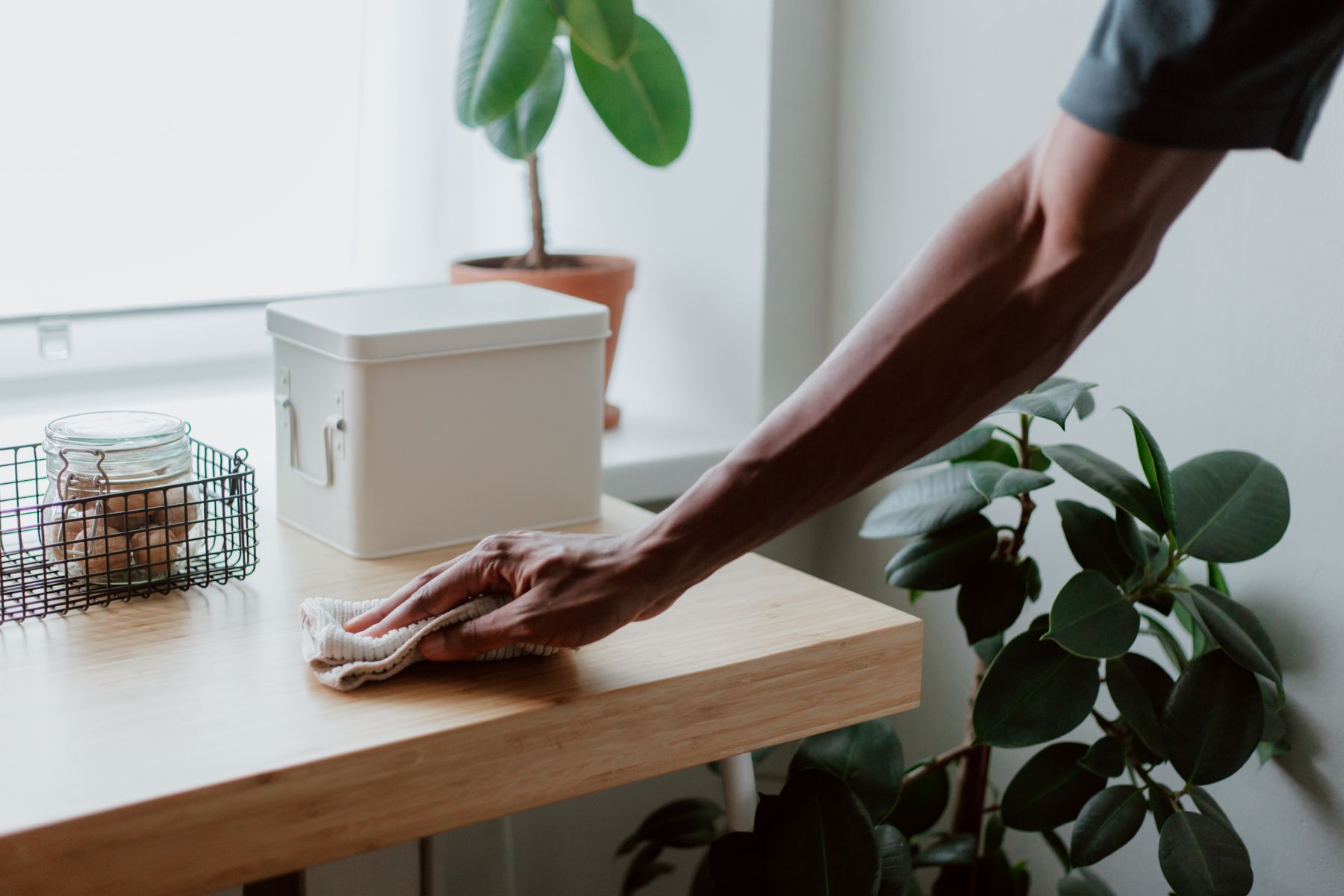
Photo: Ron Lach / Pexels. Stock photography, not a Fresh & Clean customer project.
The takeaway
Check agreed outcomes at useful times, describe observations precisely, and distinguish missed work from access, supplies, maintenance, or scope gaps. A short repeatable route and a clear correction process provide more useful oversight than following every task. The strongest quality review ends with a practical decision and a later check that shows whether the action addressed the problem.
Published by Fresh & Clean Editorial with AI writing assistance. This guide covers general facility planning, not a site inspection or a service commitment. Reading time is estimated at 200 words per minute. Specific services, access requirements and local availability are confirmed with our team.