The breakroom is a small space with a surprisingly complicated job. People prepare drinks, store lunches, eat, wash dishes, and leave again on different schedules. A cleaning provider can care for the room, but the routine works better when employees know what belongs to them and the manager has settled questions about shared appliances. A few clear decisions about dishes, refrigerator contents, microwave spills, and access can prevent recurring confusion. Here is how to build a routine that supports everyday use and makes the contracted cleaning work easier to deliver.
Divide the room by what happens there
Start with the activities rather than the square footage. Identify the food preparation counter, beverage station, dining tables, dish area, waste station, and appliance storage. In a compact kitchenette, several activities may share one surface. That overlap matters because the same counter might hold a coffee machine in the morning, lunch containers at noon, and unwashed mugs at closing.
Notice where the routine becomes difficult. A drying rack may occupy the only clear preparation area. A bin may sit too far from the place people unwrap food. A refrigerator door may be blocked by stacked deliveries. Cleaning frequency alone will not solve these layout problems. Consider whether a small change in placement would keep surfaces accessible and make ordinary employee cleanup more realistic.
For a hypothetical consulting office, moving spare snack cartons into an approved cabinet could free the counter for daily wiping without adding another cleaning visit. The point is to remove a repeated obstacle before designing the service around it. Make a simple room inventory and note which items may be moved, which belong to employees, and which require someone from the office to prepare them before cleaning.
Give employees a manageable share of the routine
Employees should understand which actions belong to the person using the room. A reasonable shared routine can include putting food away, removing personal dishes, disposing of ordinary waste correctly, and addressing a small fresh spill using the office's approved supplies and guidance. Keep the expectations brief enough that people can remember them without reading a long policy beside the sink.
Be specific about dishes. If the cleaning agreement excludes washing them, say where dirty dishes should go and when owners should remove them. If a dishwasher is available, decide who loads it, starts it, and empties it. Those are different tasks that can otherwise become nobody's responsibility. Do not assume a cleaning crew can run an appliance and wait for its cycle within the scheduled visit.
Give staff a way to report a problem they cannot reasonably handle, such as an appliance fault or an unknown spill. Employee participation should keep the room usable between visits, while the provider handles the agreed cleaning scope. Introduce the expectations when the routine changes and include them in normal onboarding. Repeated reminders are less effective when the room lacks the storage, supplies, or time people need to follow through.
Write a routine visit scope that reaches the whole room
A routine visit may include accessible counters, tables, sink surfaces, approved appliance exteriors, cabinet handles, bins, and floors. Confirm each item instead of treating breakroom cleaning as a self explanatory phrase. Include accessible chair seats and the floor beneath dining areas where appropriate. Ask the provider to distinguish cleaning around stored items from moving those items and cleaning the full surface underneath.
Decide what the room must look like before service begins. Counters covered in lunch containers and a sink full of dishes can block contracted work. Set a preparation expectation with employees and agree that inaccessible areas will be reported. That gives you a chance to correct the underlying problem instead of debating why the same counter is repeatedly left untouched.
Keep food, utensils, and cleaning materials appropriately separated. The provider should follow product labels and surface guidance, including any requirements for surfaces used around food. Ask about the approach where your worktop material needs particular care. You do not need to prescribe every movement, but you should know what is included, what must be cleared, and what condition the room will be in when employees return.
Treat microwave interiors as an explicit task
Microwave exteriors and interiors are different scope items. A provider may wipe the handle and outside during routine cleaning without opening the appliance. Specify whether the interior, removable tray, and accessible door surfaces are included, and how often. Consider actual use and visible buildup when choosing the schedule. A lightly used appliance and one serving several lunch shifts may need different arrangements.
Ask that care follows the manufacturer's instructions for the appliance and its removable parts. Avoid assuming that any general cleaning product or abrasive tool is suitable for every finish. The management task is to confirm a compatible process and a usable service window, not to invent a cleaning recipe. Appliance damage, unusual operation, or a broken component should be reported for the appropriate next step.
A hypothetical office with a crowded noon break could ask employees to leave the microwave clear after use and arrange interior cleaning during an evening visit. If staff regularly work late, the manager would also need a short period when the appliance is available to the cleaner. These scope questions help prevent the familiar situation in which everyone believes someone else is caring for the inside.
- Is interior cleaning included or separately requested?
- Who removes forgotten food and personal containers?
- When will the appliance be free for cleaning?
- How are damaged parts or persistent residue reported?
Set refrigerator cleanout rules before scheduling cleaning
A refrigerator holds personal property as well as shared supplies. Before authorizing an interior clean, decide who removes the contents and who can approve disposal. A cleaner should not have to guess whether an unlabeled container belongs to someone working remotely or whether a shared item is still needed. Communicate the rule before the cleanout date and provide a contact for questions.
Use a consistent notice that tells employees when to remove their belongings, what will happen to items left behind under the office's policy, and when the refrigerator will be available again. Account for people on leave or irregular schedules. Labels can help identify ownership, but they do not replace a clear decision about who has authority to handle remaining contents.
Separate routine shelf access from a full interior service. If the fridge remains packed, only limited surfaces may be reachable. Agree on the preparation needed for shelves, drawers, and seals to receive the requested attention under the appliance guidance. A successful cleanout depends as much on employee communication and an empty working space as it does on the cleaning appointment. Give that preparation an owner who will be present or reachable before the service starts.
Coordinate refrigerator care with food storage needs
Plan the cleaning window around the contents of the refrigerator. Employees should remove food as instructed, and the manager should arrange suitable handling for any shared items that must remain. Do not assume perishable items can sit on a counter while the work is completed. Follow the applicable food storage and appliance guidance when deciding how the cleanout will be organized.
Clarify whether the service is limited to accessible interior surfaces or includes other appliance care. Moving the refrigerator, accessing mechanical parts, and servicing a drainage or cooling problem are not automatic additions to ordinary breakroom cleaning. Those activities may need a different provider or authorization. If the appliance does not appear to be working properly, have the responsible person arrange assessment rather than treating the issue as a housekeeping task.
For a hypothetical team that leaves for a long weekend, a Thursday notice and Friday cleanout could seem convenient. The manager would still need to check who is working Friday evening and whether anyone relies on the refrigerator over the weekend. The calendar only works when it reflects actual use. Confirm completion and communicate when the appliance is available again so employees do not return their items while cleaning is still underway.
Resolve the sink, dishwasher, and coffee station details
These small areas collect a mixture of personal dishes, shared equipment, and supplies. Define cleaning of the sink separately from washing its contents. Specify whether the provider cares for the surrounding counter, faucet exterior, and accessible backsplash. If dishes block the sink, identify the person who will clear them and the process for reporting that the scheduled work could not be completed.
Coffee equipment requires its own boundary. Wiping an approved exterior is different from cleaning internal components, replacing filters, or carrying out manufacturer recommended maintenance. Assign those responsibilities to a named role and keep the instructions with the equipment. Apply the same thinking to kettles, water dispensers, and any other shared appliance so routine room cleaning is not mistaken for equipment servicing.
For a dishwasher, discuss the practical sequence. Someone needs to know whether the contents are clean, where they belong, and whether the machine can be run at the scheduled time. A hypothetical office could assign morning unloading to its internal team and leave evening counter and sink cleaning with the provider. The arrangement should match the people available and the agreed service window, with a backup when the usual employee is away.
Match waste service to meals and shared events
Breakroom waste follows eating patterns. A bin that is adequate on a normal day may be too small after a catered meeting. Choose sensible capacity and placement, then decide who responds when waste builds up before the scheduled visit. Keep ordinary waste, recycling, and any other streams consistent with the building's arrangements, and make their locations easy for employees to understand.
Include container care in the service discussion. Removing a liner does not necessarily address residue on the lid, rim, exterior, or floor beneath the bin. Specify which parts are included routinely and when the container itself receives further attention. Avoid solving an odor concern only with fragrance. Look at retained waste, residue, storage, and whether a maintenance issue needs investigation.
An event plan can be brief. The employee arranging lunch should know how leftovers and packaging will be handled and whether extra cleaning needs to be requested. Use a short checklist before catered meetings so the evening provider does not unexpectedly inherit a room full of food containers and furniture arranged outside the usual scope.
- Assign removal or approved storage of leftover food.
- Check bin capacity and the permitted disposal location.
- Return movable tables and chairs to agreed positions.
- Request any additional cleaning before the event date.
Rotate the details that daily use hides
Routine attention can leave small areas accumulating residue or dust over time. Look at accessible cabinet fronts, chair backs, table edges, appliance sides, baseboards, and the space around freestanding bins. Decide which details fit into normal visits and which need a periodic window. Avoid a vague promise of occasional deep cleaning without a list of what that phrase includes.
Access should be planned for these details. A cleaner may be able to move a light bin but not a stocked refrigerator or a cabinet connected to other fixtures. Note the difference. If moving furniture or equipment is necessary, decide who will do it and how the provider will know the area is ready. Do not leave heavy or delicate objects as an unexpected obstacle on the day of service.
Review the pattern after the room has been used for a while. A hypothetical office that introduces a shared snack shelf could discover more crumbs near the seating area and packaging around a new bin. Updating a few scope items would be more useful than keeping the old checklist unchanged. Breakroom routines should evolve with the equipment, meal patterns, and furniture that employees actually use.
Use the walkthrough to settle ownership
Before discussing visit frequency, show a prospective provider the appliances and explain how the room works through the day. Identify employee tasks, shared food storage, dish handling, and the surfaces that are usually covered. Ask the provider to describe what preparation is needed for the service you want. Resolve those dependencies while the plan is still easy to change.
Compare proposals by appliance scope as well as room cleaning. Interior microwave cleaning, refrigerator cleanouts, dish handling, and equipment maintenance should never be assumed from a general breakroom line item. Record any separately requested services and how much notice they need. Also agree on a simple way to report inaccessible surfaces, recurring residue, or appliance concerns without involving every employee in the discussion.
Fresh & Clean Facility Solutions can review your breakroom priorities through a facility walkthrough request. Include the appliances, typical occupancy, service window, and any recurring cleaning difficulties you want to discuss. The website opens an email request for the team to review. Local availability and the appointment arrangements still need confirmation, so employees should not prepare a refrigerator cleanout solely on the basis of submitting the request.
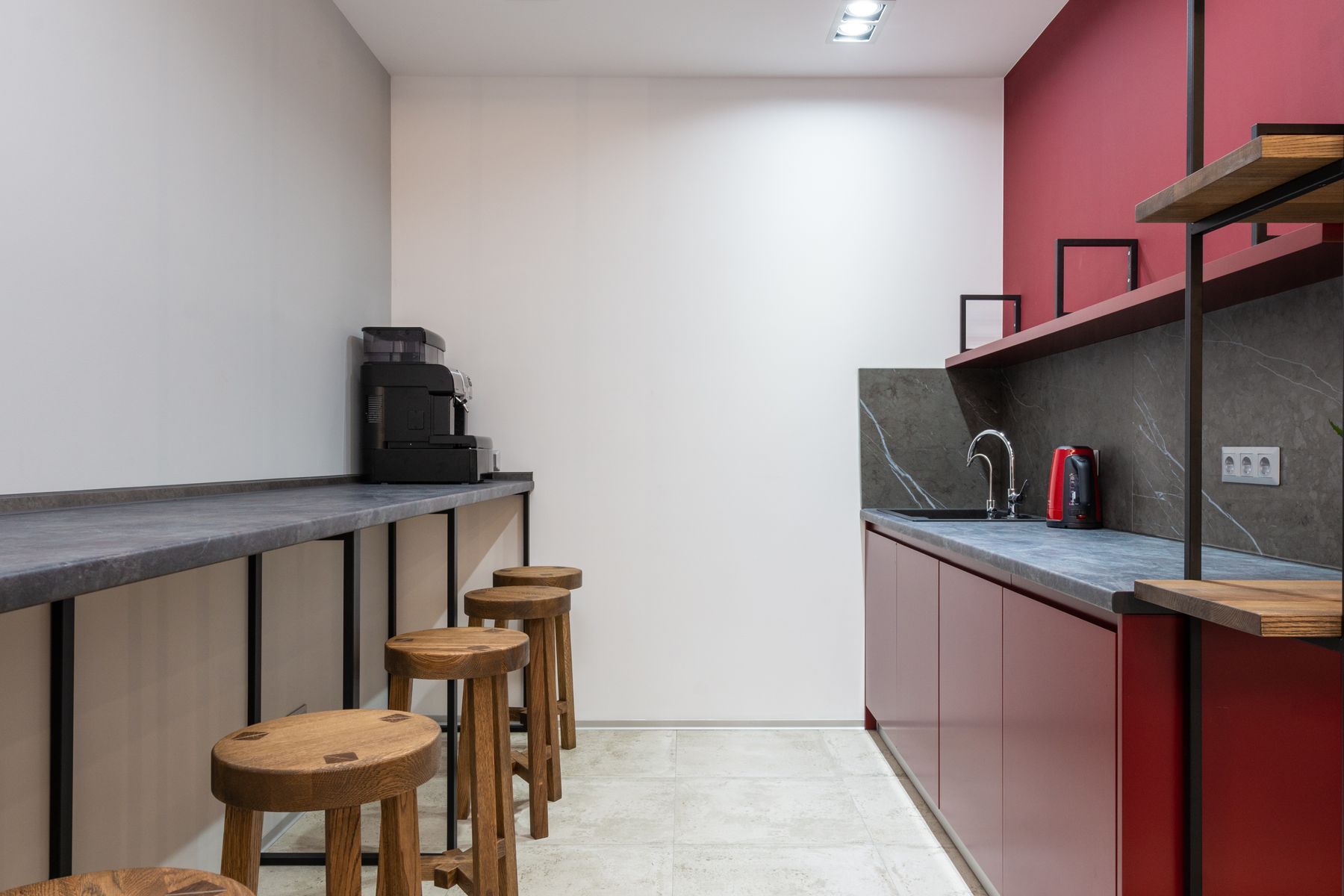
Photo: Max Vakhtbovych / Pexels. Stock photography, not a Fresh & Clean customer project.
The takeaway
A better breakroom routine starts with clear ownership of dishes, food, appliances, and shared surfaces. Make interior appliance cleaning explicit, prepare the room before service, and connect event cleanup with the normal schedule. When employees and the provider each understand their part, the routine becomes easier to maintain.
Published by Fresh & Clean Editorial with AI writing assistance. This guide covers general facility planning, not a site inspection or a service commitment. Reading time is estimated at 200 words per minute. Specific services, access requirements and local availability are confirmed with our team.