An office cleaning checklist should help you make decisions, not give you another document to maintain. The useful version explains what needs attention, how often, and who handles the work. It also leaves room for the way your office actually operates: quiet Fridays, crowded meeting days, shared desks, and employees who stay late. Start with the spaces people depend on, then turn those needs into a manageable service plan. This guide walks through the choices that make a checklist practical for both your team and a cleaning provider.
Start with a walk through an ordinary working day
Begin at the entrance and follow the path an employee or visitor would take. Look at reception, corridors, workstations, meeting rooms, restrooms, and the breakroom. Notice where waste collects, where people eat, and which surfaces receive frequent use. A floor plan tells you where rooms are. Walking the space tells you how the rooms are used and which cleaning tasks support the working day.
Choose a representative day rather than an unusually quiet afternoon. If your schedule varies, make a few notes at different points in the week. For a hypothetical accounting office, a conference room might be empty most mornings but host back to back client meetings every Tuesday. Its checklist would need to reflect that Tuesday demand instead of treating every room as equally busy.
Keep your first notes descriptive. Write that crumbs collect below a shared snack shelf, or that chairs block access to a corner, before deciding on a frequency. This separates the actual condition from assumptions about how often a crew should visit. Mark rooms that are locked, shared with another tenant, or controlled by building management so they do not silently fall into a gap between responsibilities.
Define the result behind each task
Instructions such as clean reception or tidy the office leave too much open to interpretation. Break each instruction into an observable result. Reception might include removing accessible surface dust, emptying designated bins, cleaning appropriate door glass, and caring for the floor. The checklist should make it possible for someone who did not write it to understand what completion looks like.
Be especially clear about the boundary between cleaning and organizing. Returning chairs to an agreed position may belong in the cleaning scope. Sorting documents, deciding which packages can be moved, or rearranging personal belongings usually requires a different owner. A provider cannot reliably clean a covered surface without an agreement about what may be touched and where displaced items belong.
Use a short set of questions to improve vague entries before sending them for a quote. The answers help providers estimate the same work, and they give you a fair basis for checking delivery later. Avoid turning every task into a lengthy procedure; describe the intended condition and any important limits.
- Which exact surface or area is included?
- What should it look like when the task is complete?
- What must remain untouched or be referred to the manager?
- Does the task include edges, accessible corners, or the space underneath?
Group tasks by use, not by habit
A useful checklist has more than one rhythm. Some tasks belong on every scheduled visit because the space produces waste or visible soil each working day. Other work can rotate through the month. Separate routine service from periodic detail work, then adjust the pattern using actual occupancy, floor materials, weather exposure, and the way employees use shared areas.
Do not assume that every task labeled daily will happen every calendar day. If the service agreement includes three visits a week, write every scheduled visit where that is what you mean. Similarly, a weekly task needs an assigned visit or completion window. Otherwise, a holiday or skipped visit can push it aside without anyone realizing the work is now overdue.
Consider a hypothetical design studio that works remotely on Mondays and holds team workshops on Thursdays. The studio could place shared table care and more thorough floor attention after workshop days, while scheduling a lighter visit after low attendance. That is a planning example, not a universal service recommendation. The right pattern depends on what the walkthrough reveals and what the provider can deliver within the available window.
Give shared spaces a clear place in the plan
Shared spaces often need more precise instructions than private offices because several people assume someone else is responsible. Meeting tables, reception counters, collaboration areas, and shared equipment stations should each have an owner and a cleaning boundary. Include chair placement and accessible floor areas where those details affect whether the room is ready for its next use.
Match the plan to room turnover. An evening service cannot reset a room between two afternoon meetings. If that turnaround matters, assign an employee host to remove cups and materials, arrange an additional service, or change the room booking schedule. Distinguish these daytime resets from the deeper work a cleaner can complete once the room is unoccupied.
Shared electronics need particular clarity. Identify equipment that the provider may clean and the approved approach under the equipment manufacturer's guidance. A cleaner should not have to decide whether a control panel, headset, or printer mechanism is safe to wipe. Keep internal equipment maintenance with the responsible team and specify when only the surrounding counter or floor is included. This makes the checklist useful without inviting work beyond the agreed scope.
Make workstation expectations workable
Workstations combine office property, confidential material, and personal belongings. Decide whether the service includes only accessible desk surfaces or whether employees are expected to clear their desks before scheduled cleaning. A practical rule is easier to follow than a vague request to leave everything tidy. Name a place for loose papers and explain how people should secure anything that must not be moved.
For shared desks, include the parts that are actually shared: accessible work surfaces, approved touch points, and the floor around the chair. Make clear whether desk accessories, monitor stands, and telephone exteriors are included. Cleaning under movable equipment should only be promised when permission, handling instructions, and enough time have been agreed. Otherwise, it can become a repeated source of disappointment.
A hypothetical sales office could mark one evening each week for desk surface access and remind employees through its existing team calendar. Desks left covered would be recorded as inaccessible rather than silently marked complete. That arrangement would let the manager address access issues with employees while the provider remains accountable for the surfaces it could reach. Review whether the arrangement works for part time staff and employees away on leave.
Treat floors as several different jobs
An entry mat, a carpeted meeting room, and a hard floor breakroom do not necessarily need the same care. Record the floor type in each area and any known manufacturer or building requirements. Ask providers to distinguish routine soil removal from periodic services such as extraction or other specialist floor treatment. A broad promise to clean all floors may conceal very different assumptions.
Look beyond the visible open floor. Corners, edges, accessible areas under furniture, and the spaces around bins can be missed when the checklist describes only the room. At the same time, moving heavy furniture or disconnecting equipment should not be treated as an automatic part of routine service. Identify what can be moved safely under the agreed scope and what requires separate planning.
Access matters as much as method. Plan floor work so people can reach exits and essential rooms without crossing an area that is temporarily unavailable. Allow appropriate drying time and follow product and surface guidance. If an entrance receives wet shoes during bad weather, establish how staff will respond between visits. The evening cleaning checklist cannot cover a changing daytime condition unless someone has explicitly accepted that responsibility.
Separate cleaning supplies from office consumables
A provider may bring cleaning products and equipment while expecting the business to supply restroom paper, soap refills, bin liners, or other consumables. Another proposal may include some of those items. List them individually so you know what is included, who orders replacements, and who has access to the storage area. Restocking and purchasing are separate responsibilities even when one person handles both.
Build a simple stock check into the plan at the point where it helps someone act. Counting supplies after the last refill has been used is too late for comfortable planning. Agree on a reorder point based on your own usage and delivery arrangements. Avoid guessing a universal quantity for every business; a small office with frequent visitors can use supplies differently from a larger office with hybrid attendance.
Use the checklist to capture exceptions without creating an inventory project. A brief note that one dispenser needs a different refill or that a cabinet is locked can prevent repeated failures. Confirm that the provider knows where approved replacements are stored and who can authorize substitutions.
- List supplied items and compatible refill types.
- Assign purchasing and refill responsibilities separately.
- Choose a person who receives low stock notices.
- Record where deliveries and reserve supplies belong.
Build a short, usable exception process
No checklist can anticipate every locked door, occupied room, or unexpected event. Give the cleaning team a straightforward way to report work it could not complete. The report should identify the location, the reason, and whether another visit or employee action is needed. This lets the manager distinguish a missed task from a task that was blocked by circumstances outside the provider's control.
Agree on who receives routine notes and who should be contacted for a time sensitive access problem. Those may be different people. An office administrator might review ordinary service notes the next morning, while a building contact handles an alarm or entry issue during the service window. Avoid relying on a personal phone number that nobody has agreed to monitor.
Keep reports factual and proportionate. A note that the east meeting room was occupied until departure is more useful than a vague statement that cleaning was difficult. If photos are appropriate, establish limits that protect documents, screens, and personal belongings. Repeated exceptions deserve a change to the plan. They should not become a permanent list of reasons that a room never receives the service you intended.
Review a small sample consistently
You do not need to inspect every surface after every visit to manage a cleaning agreement well. Choose a small set of representative areas and review them at a consistent time. Include a busy shared space, a less visible detail, and an area where access has previously been difficult. Rotate the sample so the review remains connected to the whole office.
Timing affects what an inspection means. A breakroom checked after lunch reflects both the previous cleaning and several hours of employee use. A room checked before anyone arrives gives a clearer view of the completed service. Record when you looked and describe what you saw. Avoid assigning a cause before you know whether the issue resulted from cleaning, new use, damage, or a maintenance problem.
Discuss patterns with the provider using specific entries from the checklist. If the same ledge is repeatedly dusty, confirm that it is included and accessible before deciding how to correct it. If every task is technically complete but the office still feels unprepared, revisit the scope. The purpose of a review is to improve the agreed result, not simply to collect faults after each visit.
Turn the checklist into a walkthrough agenda
Bring your draft checklist to a facility walkthrough and ask the provider to test it against the actual space. Discuss access, occupancy, floor types, supply storage, and areas where employees need to prepare surfaces. Invite questions about unclear wording. A useful walkthrough should uncover differences in assumptions before those differences appear in the first week of service.
Compare proposals against the same checklist. Note whether each provider includes the periodic tasks, consumables, and reporting process you requested. A proposal that covers fewer rooms or excludes important detail work is not equivalent simply because the visit frequency matches. Ask how changes in occupancy or room use would be handled and how you would request additional work when needed.
Keep one current version with a clear review point after service begins. Update it when furniture moves, a team returns to the office, or another room becomes part of your space. Fresh & Clean Facility Solutions can review your priorities through a walkthrough request. The website opens an email request for the team to review, so your preferred date remains a request until the team confirms arrangements and local availability.
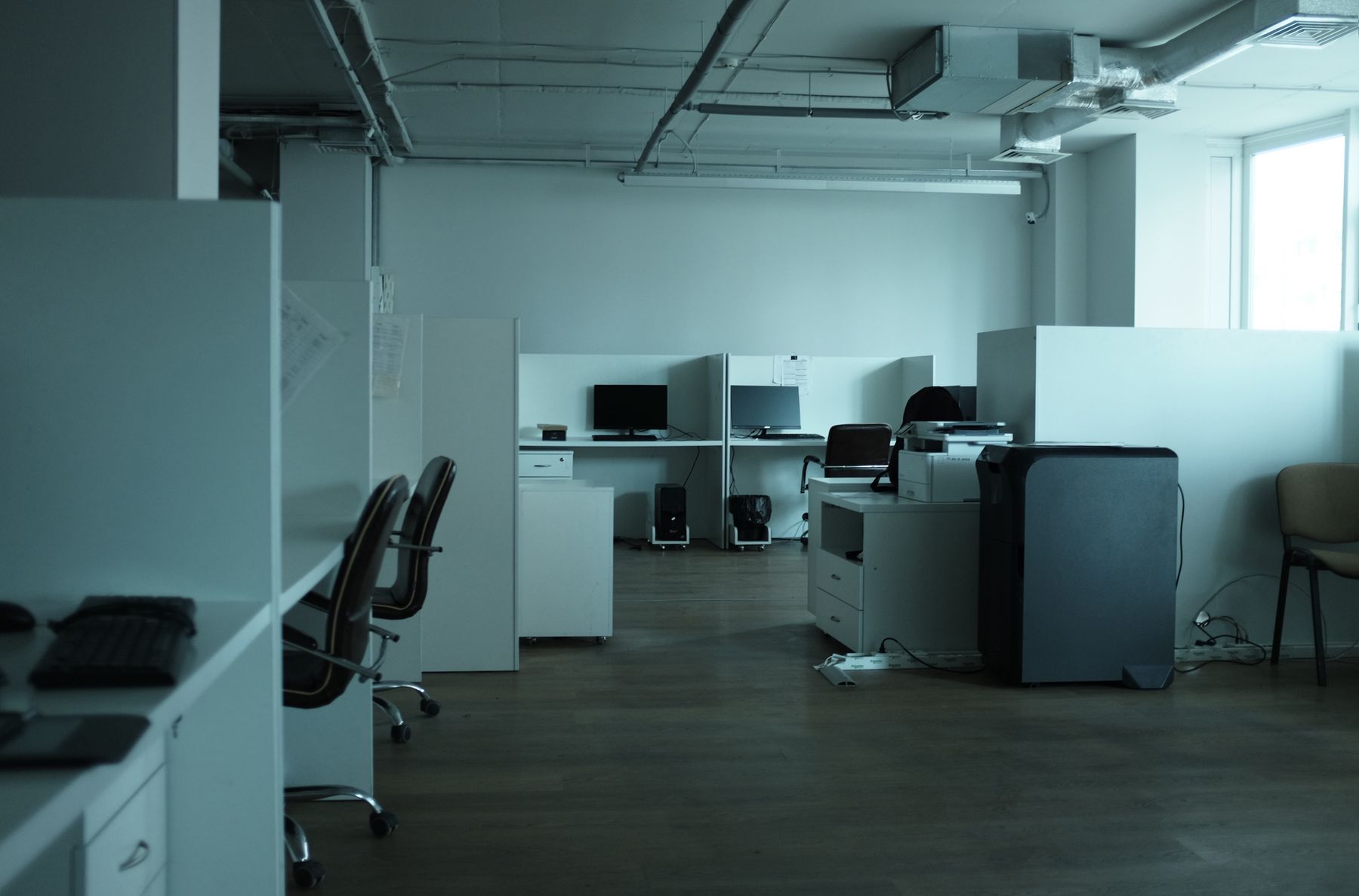
Photo: Bohdan K. / Pexels. Stock photography, not a Fresh & Clean customer project.
The takeaway
A strong office cleaning checklist connects each task to a clear result, a realistic schedule, and an accountable owner. Start with how your office is used, resolve access and supply questions, and review a manageable sample of the work. Revise the document when the workplace changes so it stays useful.
Published by Fresh & Clean Editorial with AI writing assistance. This guide covers general facility planning, not a site inspection or a service commitment. Reading time is estimated at 200 words per minute. Specific services, access requirements and local availability are confirmed with our team.