
Commercial carpet rarely wears or gets dirty at the same rate across an entire building. The route from the entrance to reception may need attention while a quiet meeting room still looks well maintained. A useful cleaning plan accounts for those differences. It also leaves room for furniture preparation, the method appropriate to the carpet, and the time needed before people return. Rather than choosing a date from habit alone, use the condition of your carpet and the way your business operates to decide what should happen next.
Draw a simple map of carpet use
Start by dividing the carpeted space into practical zones. Entrances, reception seating, main corridors, desk areas, meeting rooms, and private offices create different patterns of use. Note routes that connect outdoor doors with kitchens, elevators, or delivery areas. These routes can matter more than a room's total size because most footsteps may follow a narrow path. A rough floor plan with labeled zones is sufficient; the purpose is to make service decisions easier, not to create a technical drawing.
Add conditions that affect what reaches the carpet. Nearby food service, frequent deliveries, open access to a loading area, and changes in staffing can all influence the maintenance workload. Record the placement and condition of entry mats as well. A mat that shifts, stays saturated, or leaves a busy route uncovered deserves a facilities review. Carpet cleaning should sit within this wider picture instead of becoming the only response whenever soil returns.
Give each zone a simple use description, such as frequent visitor traffic, everyday staff use, or occasional occupancy. Avoid treating those labels as fixed formulas for cleaning intervals. They are a starting point for observation. After service, use the same zones to track how quickly visible soil returns and whether your routine maintenance is keeping pace.
Find the carpet information before selecting a method
Locate available installation records, product names, care instructions, and information about previous cleaning. Commercial carpet may be installed as broadloom or tiles, with different fibers, backings, adhesives, and maintenance requirements. Appearance alone will not reliably identify all of those details. If records are missing, tell the provider that directly and ask how they will assess suitability before proposing work. An uncertain material should lead to clarification rather than a confident guess based on color or texture.
The facility manager does not need to select equipment or specify chemical procedures. Your role is to supply known information and ask the provider to explain why their proposed method fits the carpet and its condition. Ask them to follow the carpet manufacturer's care guidance and the relevant product instructions. If the carpet has a warranty or a documented maintenance program, make those records available so the proposed work can be evaluated against the actual requirements.
Also identify transitions to wood, stone, resilient flooring, or other adjacent materials. The plan should account for those boundaries and the route equipment will take through the building. Where carpet meets cabinetry, electrical equipment, or fixed furniture, discuss practical protection and access. These details can affect how an otherwise straightforward room is scheduled and prepared.
Use observable triggers instead of a universal interval
There is no single calendar interval that suits every carpeted commercial space. Begin with applicable care guidance, the carpet's current condition, and the amount of use in each zone. Then agree on review points. A review can lead to cleaning, a change in routine vacuuming coverage, or a decision to wait and observe. It should not automatically become a full building project when only one route needs closer attention.
Useful triggers include traffic lanes that remain visibly soiled after normal vacuuming, accumulating spots, residue from a busy event, or a planned change in room use. A forthcoming closure can be a convenient opportunity, but convenience alone should not determine the method or scope. Ask what condition the proposed work is intended to address. This keeps scheduling tied to an observable need and provides a basis for reviewing the result afterward.
For a hypothetical office with a lightly used executive suite and a busy training corridor, a manager could inspect both areas on the same review date but authorize different work. The corridor might warrant periodic cleaning while the suite continues with routine care. That decision should be recorded and revisited if occupancy changes, rather than assuming that one room's schedule must govern every carpeted area.
- Compare the busiest route with a less used section of the same carpet.
- Check whether visible marks persist after scheduled routine care.
- Review upcoming occupancy changes before choosing the service window.
Separate soil, spots, wear, and building problems
A dark traffic lane can include accumulated soil, flattened fibers, abrasion, or several conditions together. Cleaning may improve soil related discoloration without reversing wear. Discuss that distinction before setting expectations for a uniform appearance. The same applies to fading, damaged seams, and uneven tile replacement. A provider should be able to identify uncertainty and describe what needs further assessment rather than treating every difference in color as removable dirt.
For individual spots, share whatever is known about the material, when it appeared, and any previous treatment. An old coffee mark and an unknown spot beside a printer deserve different questions, even if they look similar at a glance. Avoid promising employees that every stain will disappear. Ask whether spot treatment is included, whether results are uncertain, and how the provider will report a mark that remains after the agreed work.
Persistent dampness, an unexplained odor, recurring water marks, or a wet area should prompt investigation of the source. Do not simply add carpet cleaning to the calendar and assume it will solve a moisture or building maintenance issue. Record where and when the condition appears, involve the appropriate facilities contact, and determine whether specialist assessment is needed before arranging ordinary cleaning of the affected area.
Define exactly how much carpet will be accessible
The difference between open area cleaning and cleaning an entire room can be substantial. Identify what sits on the carpet: chairs, rolling pedestals, desks, storage cabinets, planters, and connected equipment. Decide which items will move, who is authorized to move them, and where they can be placed. Do not describe a room as fully accessible if the plan leaves most of its floor under furniture that will remain in position.
Record inaccessible areas in the scope. Carpet beneath fixed workstations may need to remain excluded, while spaces under lightweight meeting chairs may be included after preparation. Ask whether edge work, carpeted stairs, floor mats, and small alcoves are part of the proposal. These features are easy to overlook when a request gives only an approximate area and a broad description such as office carpet cleaning.
Confirm how furniture will return after service and who decides when that can happen. The method, furniture materials, and carpet condition can influence the plan. Staff should not assume that the end of active cleaning means every item can immediately go back. An agreed handover avoids employees arriving to rearrange a room before the provider's return to use conditions have been met.
- List movable items and the person responsible for relocation.
- Mark fixed furniture, connected equipment, and excluded floor areas.
- Include stairs, edges, mats, and closets only when expressly agreed.
- Choose a temporary storage area that preserves essential access routes.
Schedule backward from the next required use
Begin with the time the space must be ready for normal occupancy, then work backward through review, return to use, drying where applicable, active cleaning, and preparation. This is more reliable than filling an empty evening on the calendar and hoping the room is ready the next morning. Ask the provider what conditions influence the expected interval and what information they need about ventilation, building operation, and access.
Drying expectations depend on the carpet, cleaning method, amount of moisture involved, environmental conditions, and other site factors. Avoid publishing a fixed reopening time to staff until the provider has assessed those factors and discussed the plan. Coordinate any necessary building system arrangements with authorized facilities personnel. If the space must reopen at an inflexible hour, make that constraint clear while the scope is being developed.
A hypothetical company preparing a training room for Monday could request work during an earlier closure window rather than at the last available hour on Sunday. The extra planning space would allow for preparation, checking conditions, and responding if the room is not ready as expected. The useful principle is to preserve a practical contingency, especially when an event cannot be moved or an alternate room is unavailable.
Make phased work practical for occupants
Cleaning in phases can help a building remain usable, but the phases need to follow real circulation patterns. Dividing a floor into equal rectangles may leave the only route to an occupied room crossing the work area. Start with entrances, restrooms, elevators, and necessary workspaces, then identify which zones can be temporarily unavailable without creating confusion. Confirm the plan with the building contact who understands daily access needs.
Consider how equipment, cords, supplies, and staff movement will fit into the proposed sequence. Agree where the cleaning team may stage equipment and how people will be informed about restricted areas. Where access arrangements are uncertain, resolve them before announcing a schedule. A clear sequence might involve a meeting suite first, adjacent offices later, and the connecting corridor during a separate quiet period, subject to the provider's assessment.
Use brief internal communication that tells people what changes for them. Include the affected rooms, dates once agreed, preparation responsibilities, and an alternate route or workspace where needed. Name a single contact for questions. Avoid promising unrestricted use simply because cleaning is outside normal office hours; early arrivals, security staff, deliveries, and scheduled visitors may still need access during that window.
Compare carpet proposals on the work included
Ask each provider to describe the areas, preparation, proposed method, spot treatment boundaries, and return to use expectations. These details are more useful for comparison than an undefined promise of a refresh. Check whether the proposal assumes furniture is already moved, whether a preliminary inspection is required, and whether unusual spots need separate assessment. Written assumptions help you decide whether the plan is workable for your actual building.
Discuss responsibility for communicating a change in conditions. If the team discovers a loose seam, previous damage, or carpet that does not match the available records, who receives the report and authorizes the next step? Give the provider a contact who can make decisions during the visit. A carefully prepared plan still needs a way to handle information that only becomes apparent when access improves.
Ask how completion will be documented and what follow up process applies if a concern remains. You can request notes by zone and a record of unresolved marks without requiring a lengthy report. Keep the questions focused on service decisions: what will be done, what outcome is realistic, what the building must provide, and what happens when the conditions differ from the original assumptions.
Inspect once the carpet is ready for review
Review appearance when the provider says the carpet is ready to assess, including after drying when that applies. Lighting and moisture can change how carpet looks, so an immediate impression during active work may not represent the final condition. Walk the agreed zones and compare them with the original observations. Note whether the requested areas were reached and whether any known spots or worn sections need further discussion.
A mark that becomes visible again should be reported with its location and timing. Do not assume that it proves the entire method failed or that repeated treatment is automatically appropriate. Ask the provider to assess the specific condition and explain possible next steps within the material's care requirements. Keeping a simple spot map makes these conversations easier than relying on a general statement that the carpet looks uneven.
Record areas that remain excluded because of furniture or access restrictions. Also document loose edges, damaged tiles, and other maintenance issues observed during the review. These are useful facilities findings even when they sit outside the cleaning scope. A completed cleaning visit should leave you with a clearer understanding of carpet condition, not an expectation that ordinary cleaning will resolve every issue in the floor.
Maintain the result and set the next review
Periodic carpet cleaning works best when ordinary care continues between visits. Review whether routine vacuuming covers traffic lanes, accessible edges, and the areas beneath movable chairs. Assign responsibility for reporting spills promptly and use an approved response process consistent with carpet and product guidance. Staff should know whom to contact rather than experimenting with whatever product is nearest. Keep that process simple enough to follow during a busy day.
Use the service record to refine timing. Note the date, zones treated, method recorded by the provider, remaining concerns, and changes to occupancy or routine care. At the next review, ask whether the busy zones held their appearance as expected and whether a particular entry route needs more attention. This produces a schedule based on your building's observed pattern rather than a recurring appointment that is never reconsidered.
For a walkthrough request to Fresh & Clean Facility Solutions, include the approximate carpeted areas, known material information, priority concerns, and the hours each space can be unavailable. Explain whether you need one project or help incorporating carpet care into an ongoing plan. The team can review the request, discuss local availability, and clarify what assessment is needed before a service date and scope are agreed.
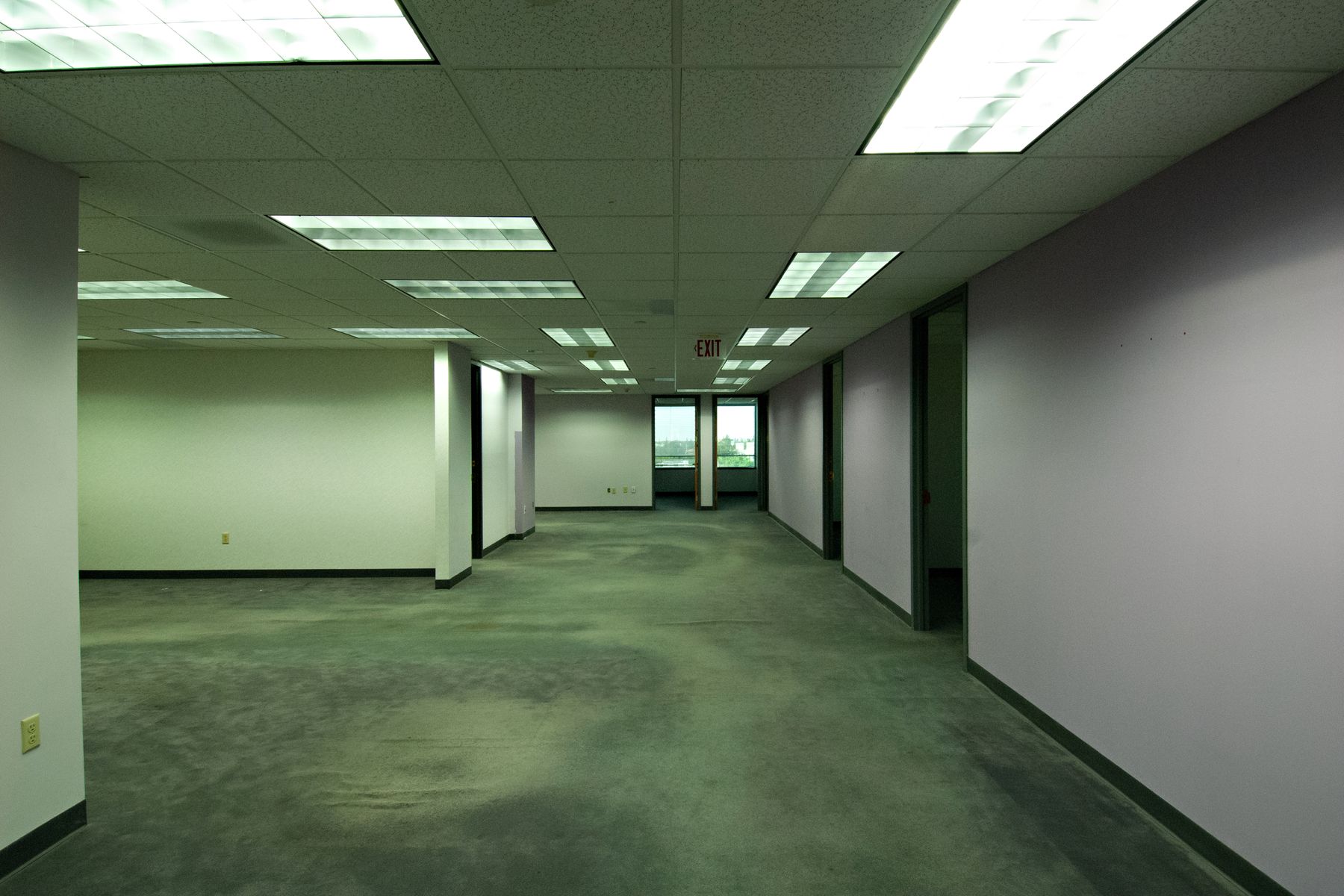
Photo: DΛVΞ GΛRCIΛ / Pexels. Stock photography, not a Fresh & Clean customer project.
The takeaway
Plan carpet cleaning by zone, condition, and available access. Material guidance, realistic drying arrangements, and a clear furniture plan matter as much as the appointment date. Review the result and use what you learn to improve the next service decision.
Published by Fresh & Clean Editorial with AI writing assistance. This guide covers general facility planning, not a site inspection or a service commitment. Reading time is estimated at 200 words per minute. Specific services, access requirements and local availability are confirmed with our team.